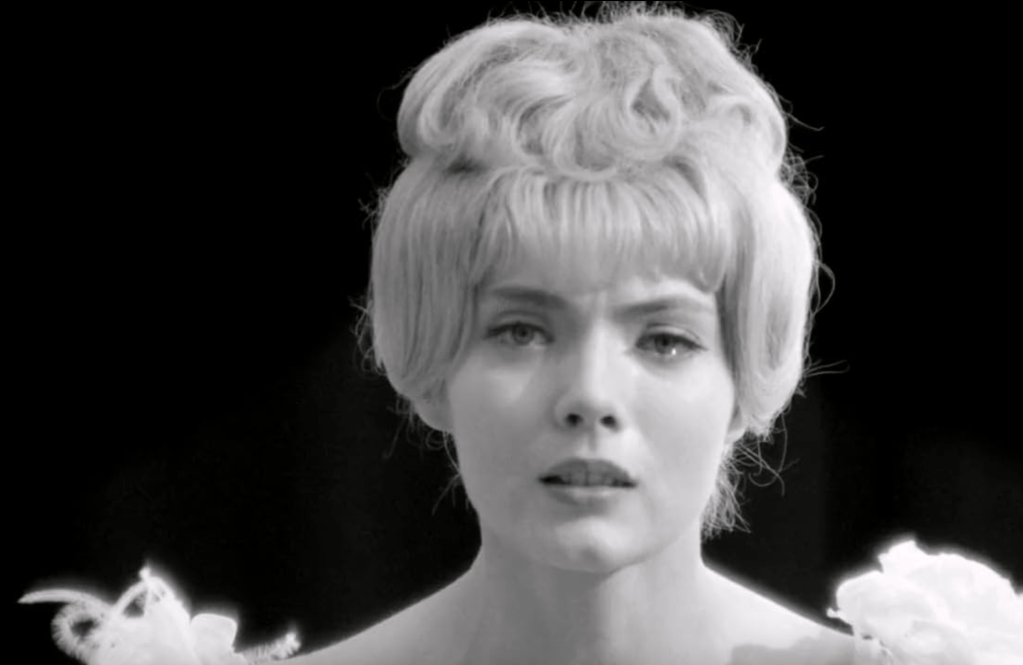
What is it about?
A city-famous, carefree singer has to wait two hours for her diagnosis. During the two hours, she goes through an odyssey in Paris, during which she reflects for the first time on life and death and on being human.
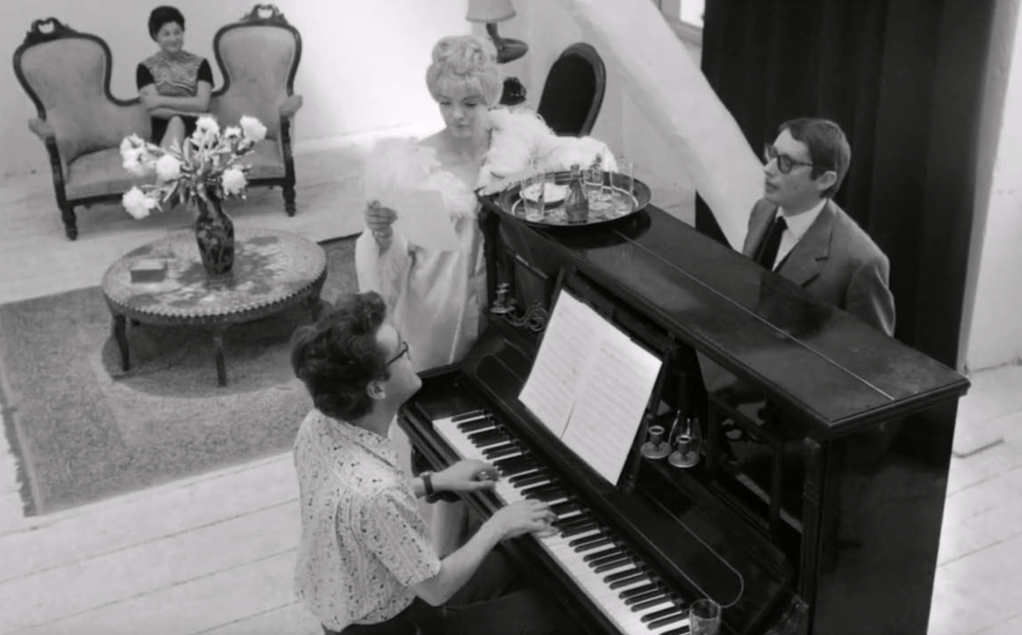
What is it really about?
In Sartre’s “No Exit” three characters gather in a locked room from which they have never emerged and are completely alone with themselves. As it soon turns out, the closed room is the dungeon in which sinners are locked up for punishment after they have died and are there at the mercy of eternity forever. The endless waiting in this atemporal room, the sheer endless waiting for redemption, is an aspect of Sarte’s hell, far removed from the sadistic, fiery shock imagery of a Hiernoymus Bosch.
The waiting forces the gaze inward. There is no escape, only the pushing of an uncontrollable force into one’s own deepest levels of consciousness. Waiting eats up the mind, swallowing the existential core and digesting it over and over again until one vomits and heralds the re-consumption followed by re-digestion one more time.
This is what happens to the titular Cléo: the famous singer has to wait for two hours after a medical examination to learn her diagnosis. A wait for the redeeming answer: healthy or sick after all? We are allowed to accompany her handling of these waiting hours – almost in real time and divided into chapters – in an impressive way: The hoped-for premature finding of an answer with a tarot card reader; the search for a distraction with the hasty purchase of hats; the search for the comforting visit of the lover; the search for hope in music. But what cannot be found can perhaps be found through a way out: escape from familiar surroundings, from what constitutes current life; escape into the unknown, among people one does not know; escape to a good friend; escape to the movies; escape to nature, the place of last, lost souls; and finally, escape from waiting, fear, and worry. The escape as a way out, to finally look for oneself.
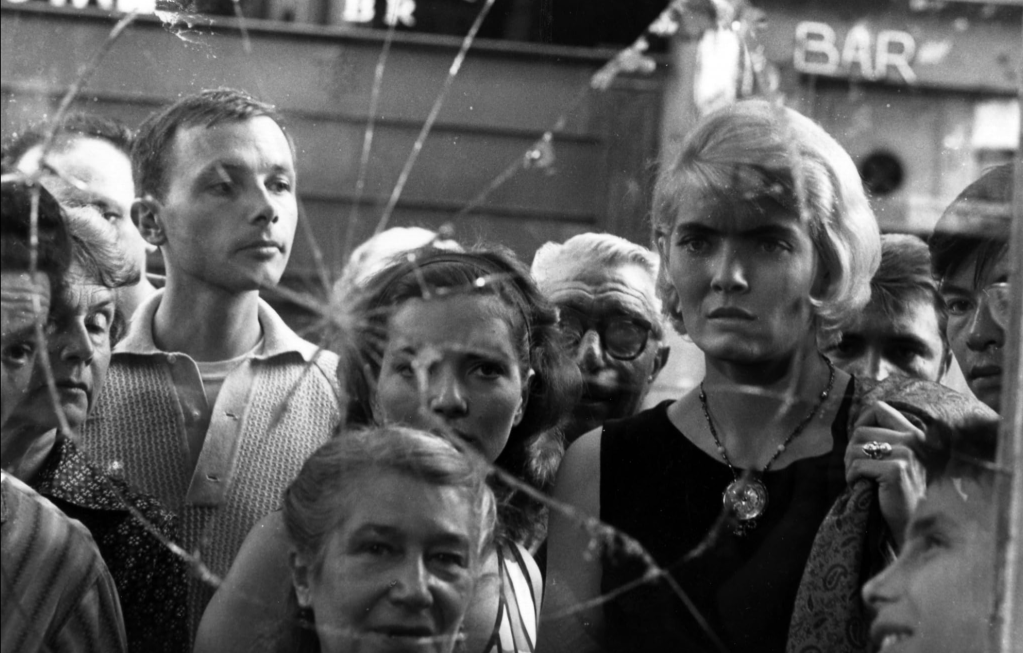
Cléo, who is a successful and carefree singer, is forced by the waiting to see herself for the first time. At first, she seeks support in the mirror; gazes into her healthy and beautiful exterior, caresses and comforts herself with beauty; enjoys when pedestrians’ gazes fall upon her. She seems to exist only when she is marveled at and comforted; seems to be subject only then. But this consolation almost does not work; her always objectified role of the beautiful, the longing and the musical shatters her self, her perception as self, her courage and her vitality. For the first time she becomes aware, beneath the supple surface of her skin, that there is something else lurking within her. And so the escape from the theater becomes a touching search for the subjective, the existential self. For this, Cléo must shed her masquerade, shed everything she is known and famous for; for this, she must endure the infernal stares of people who relentlessly look at her and devour her because she is not what she seems. Cléo must endure this until she reaches where mercy awaits her and what she is really looking for: herself.
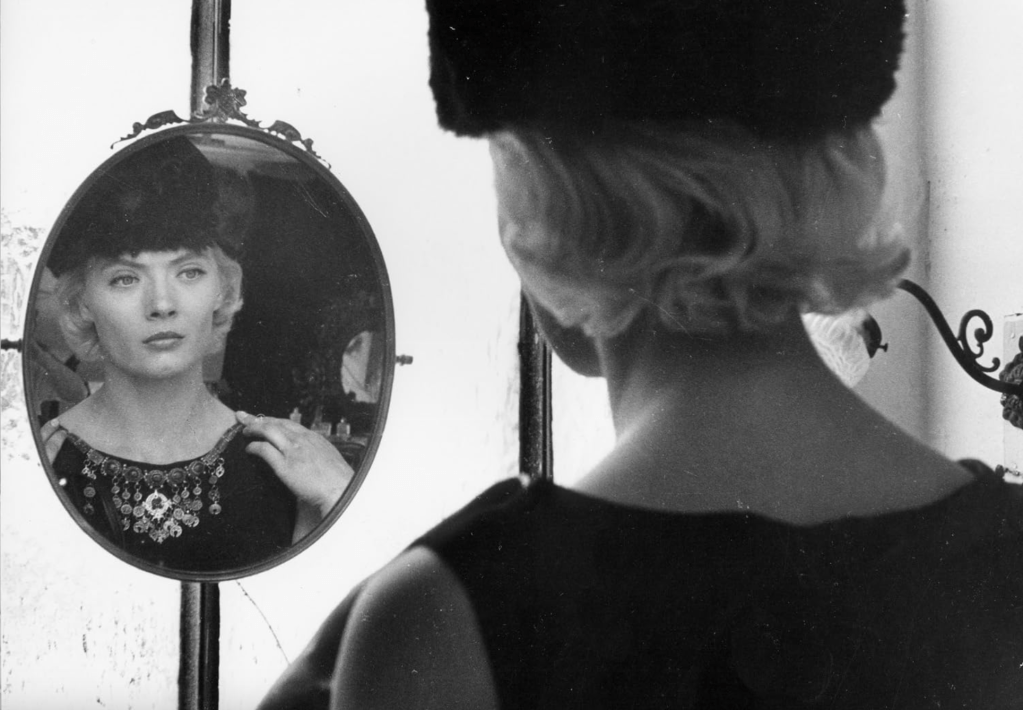
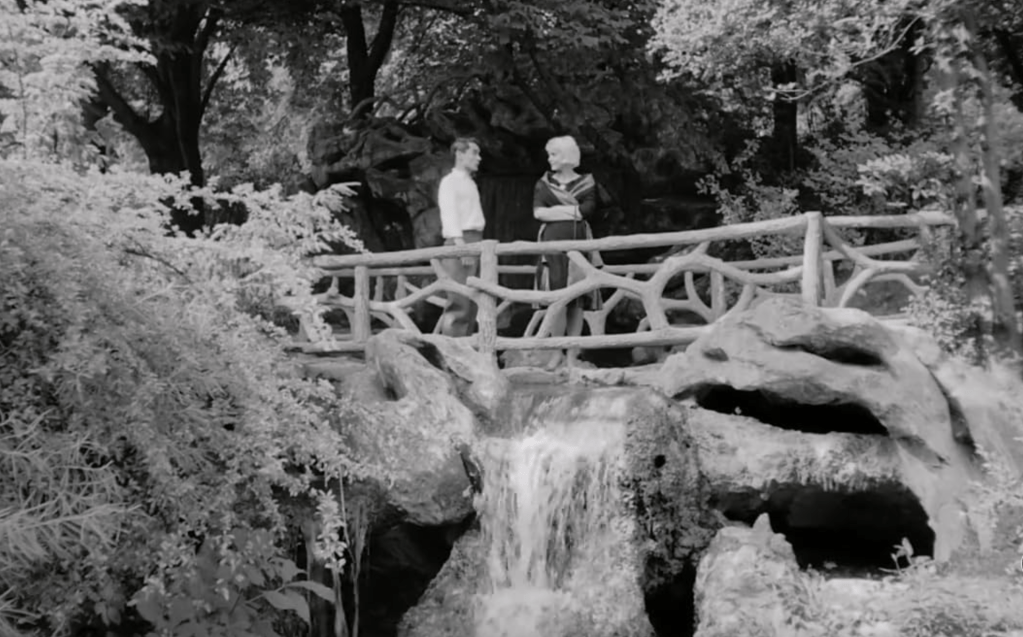
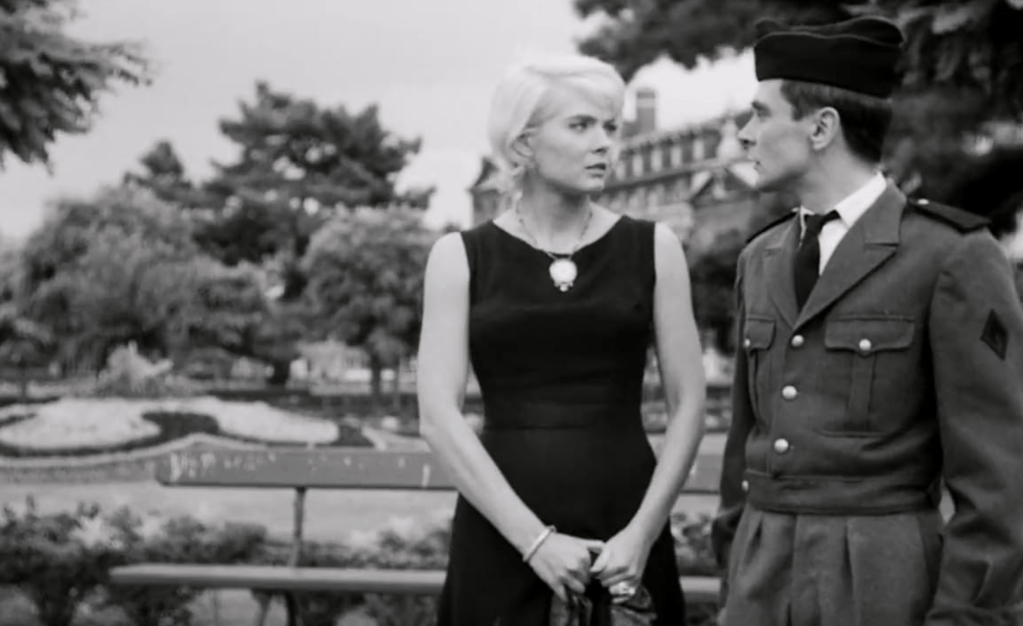
Cléo, short for Cleopatra, is – as we learn later – not her civil name at all. It is the name she is given. She – the royal one or she – who is made queen – is actually called Florence – the blooming one. And she also blossoms in a park from her withered existence when, near a waterfall, she meets the young soldier Antoine, who is also enjoying what may be his last existence in this kingdom of nature before he leaves for the Algerian civil war. With him as her interlocutor, she soon finds herself a mirrored soul. In this final and longest chapter, the wait becomes a bit more bearable, fulfilling, and healing. The emotional strength of this chapter is indescribable. Rarely have I seen such a wonderful portrayal between two perfect strangers who can discover so much hope and lightness in their constricted existence. The discovery of the present, of existence, of existence in this very second and the fading out of the closed past (fame, masquerade) and the open future (healthy or sick), because both don’t matter in that moment.
And the consciousness carries when it realizes that the space of life seems only closed and that one is not forced to wait endlessly or to surrender oneself in the mass. And even if it sounds like a spoiler (but it is not): It’s the most beautiful happy ending that isn’t a happy ending.
P.S.: Godard and the enchanting Anna Karina get to experience what it means to see the world in black or white in a little short film in the movie.
P.P.S.: I can imagine that Richard Linklater got the idea for Before Sunrise from this film.
Conclusion
A film I would watch even if I only had two hours to live.
Facts
Original Title
Length
Director
Cast
Cléo de 5 à 7
90 Min
Agnas Varda
Corinne Marchand as Florence ‘Cléo’ Victoire
Antoine Bourseiller as Antoine
Dominique Davray as Angèle
Dorothée Blanck as Dorothée
Michel Legrand as Bob, le pianiste
Jean-Luc Godard as L’homme aux lunettes noires…
Anna Karina as Anna, la fiancée blonde…
What is Stranger’s Gaze?
The Stranger’s Gaze is a literary fever dream that is sensualized through various media — primarily cinema, which I hold in high esteem. Based on the distinctions between male and female gaze, the focus is shifted through a crack in a destroyed lens, in the hope of obtaining an unaccustomed, a strange gaze.
 The Stranger's Gaze